Fiber Pulling
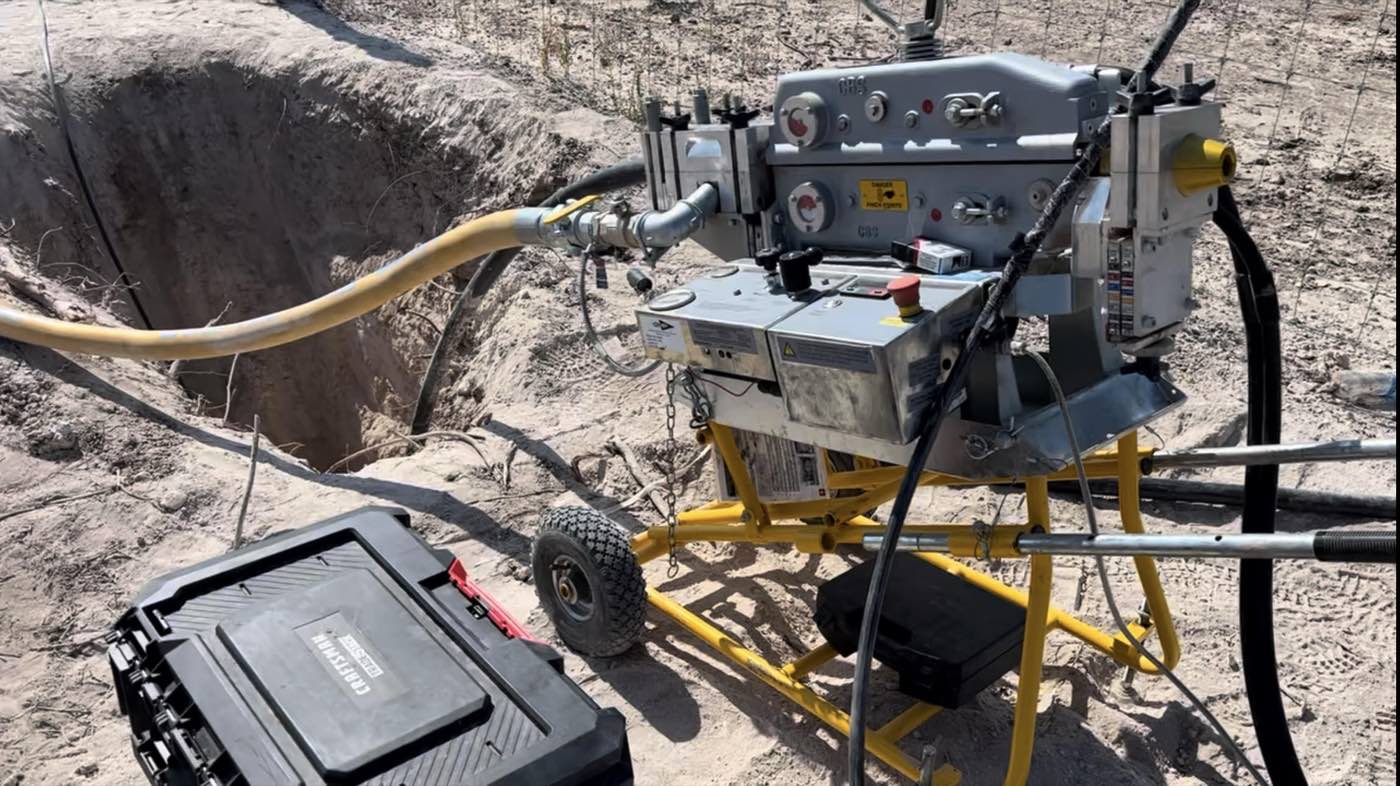
Long rural runs between small towns are a placement problem before they are a splice problem. Getting the fibre in cleanly the first time is what keeps the schedule honest when the towns are forty minutes apart.
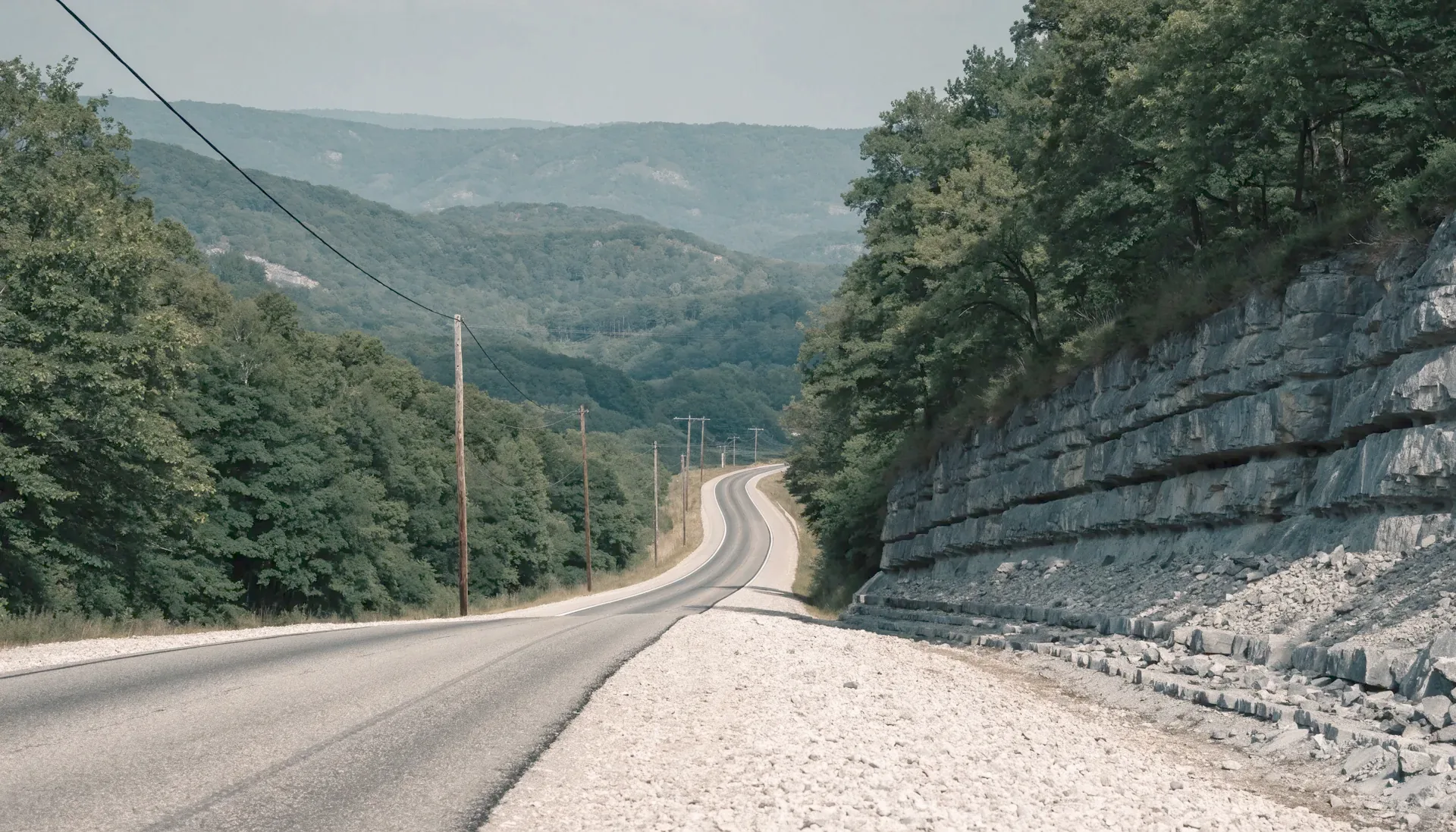
City Utilities finished a roughly $150 million fiber build to more than 118,000 Springfield addresses back in 2023, so the city itself is largely done. What is still going in is the country between the small towns: a cooperative that has laid more than 3,700 of a planned 4,200 miles, and a carrier connecting 31,000 addresses around Rolla, St. Robert, Lebanon, Marshfield and Aurora. Out there the thing that decides a week is not the design. It is whether the crew showed up with the right bit for chert.
The read
Springfield addresses already reached by City Utilities' own roughly $150 million fiber build, completed in 2023. The metro is not the opportunity. 1
Of a planned 4,200 miles already in the ground on the rural cooperative build in the Ozarks, funded with $47.4 million in state-administered federal money plus roughly $9 million from three counties. 2
Addresses a carrier is connecting in and around Rolla, St. Robert, Lebanon, Marshfield and Aurora. That is the ring, not the city. 3
Providers awarded statewide under Missouri's broadband program, with construction on the first funded projects expected to start in 2026. 4
Our read, and this is our judgement rather than a published fact: Cesar called this one before we had the numbers. He described it as rural work out in the country between small towns, and that is exactly where the remaining money is, because the city solved its own problem twelve years into a municipal utility build that nobody is going to repeat. The bid you want here is a rural route, not a metro franchise.
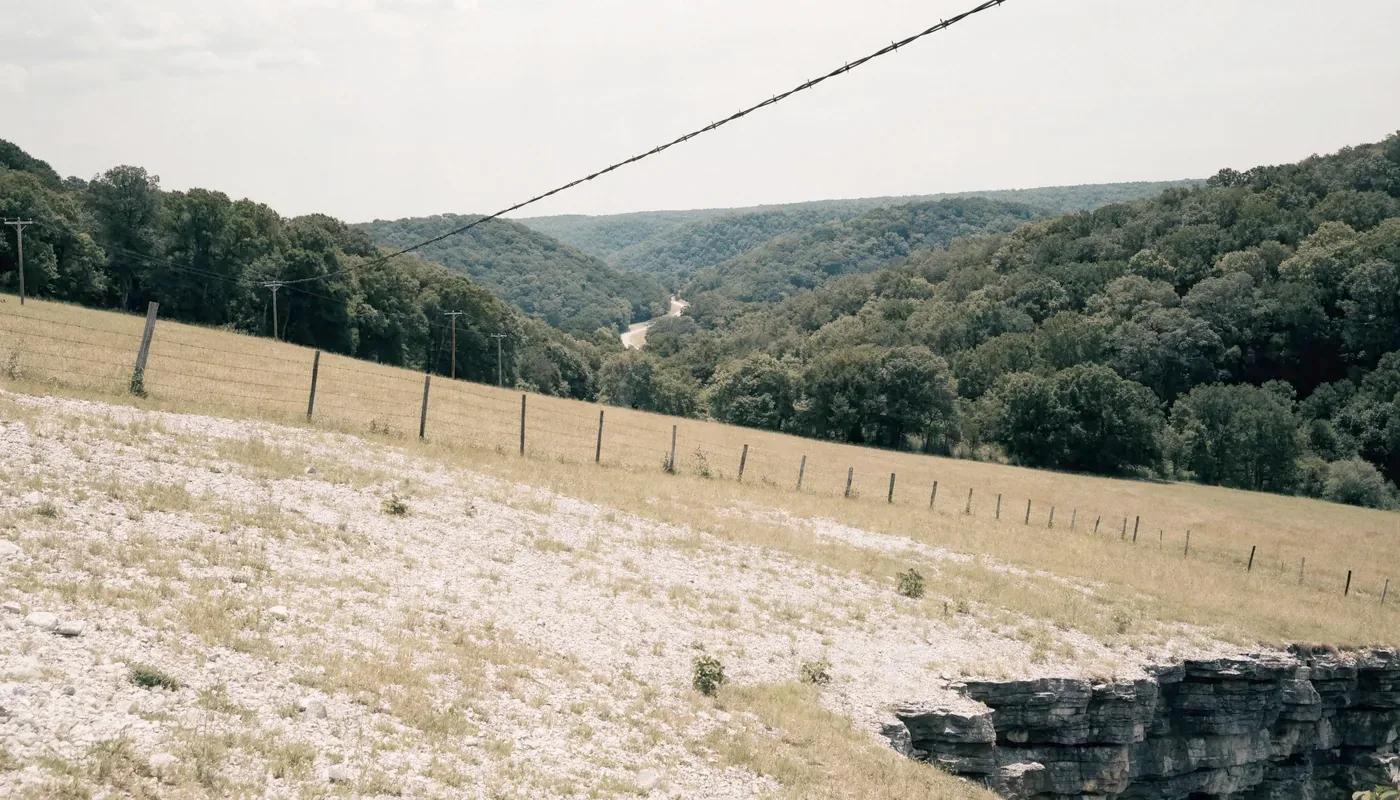
The Springfield Plateau is Mississippian limestone with chert through it. That one sentence explains most of what goes wrong on a rural job in this region.
Missouri's own Department of Natural Resources puts it plainly: the stone will quickly wear out a crusher because it is harder than steel. What that means on a bore is bit wear, slower footage and a real chance of walking off the planned path. Pricing this ground like ordinary dirt is how a job goes underwater in week two. 5
Shallow rock with variable soil depth over it is the normal condition, not the exception. Two hundred feet apart you can go from trenchable soil to solid rock, which is why a rock saw and a bore rig often both end up on the same job. 6
This is karst country: caves, springs, sinkholes and an aquifer that moves fast. A sudden collapse can delay a project and contaminate groundwater, which turns a construction problem into an environmental one. It changes where you are willing to open ground and how you backfill. 6
Permits and the dig law
Missouri changed its dig law in 2025, and out here the marking window matters more because the drive times are longer.
Three working days since August 2025, then two for the marks, and out here the locator has a long drive before he even starts.
Three working days' notice before you excavate. Senate Bill 133 was signed July 14, 2025 and took effect August 28, 2025. 7
Utilities have two working days to mark. 7
Find an unmarked line and you have to notify Missouri 811. That obligation is new. 7
The governing law is the Underground Facility Safety and Damage Prevention Act, sections 319.010 to 319.050. 7
Permit to work on state right of way through MoDOT's electronic permitting system. 8
A performance bond in the utility company's current legal name. 8
Notice of Intent to Perform Work at least two working days ahead. 8
County roads and city streets are their own permits on top of the state one, and on a rural route you will cross a lot of them. 8
One World on this job
A rural route is a logistics job wearing a construction job's clothes. One contractor across all of it is what keeps the drive time from eating the margin.
Long rural runs between small towns are a placement problem before they are a splice problem. Getting the fibre in cleanly the first time is what keeps the schedule honest when the towns are forty minutes apart.
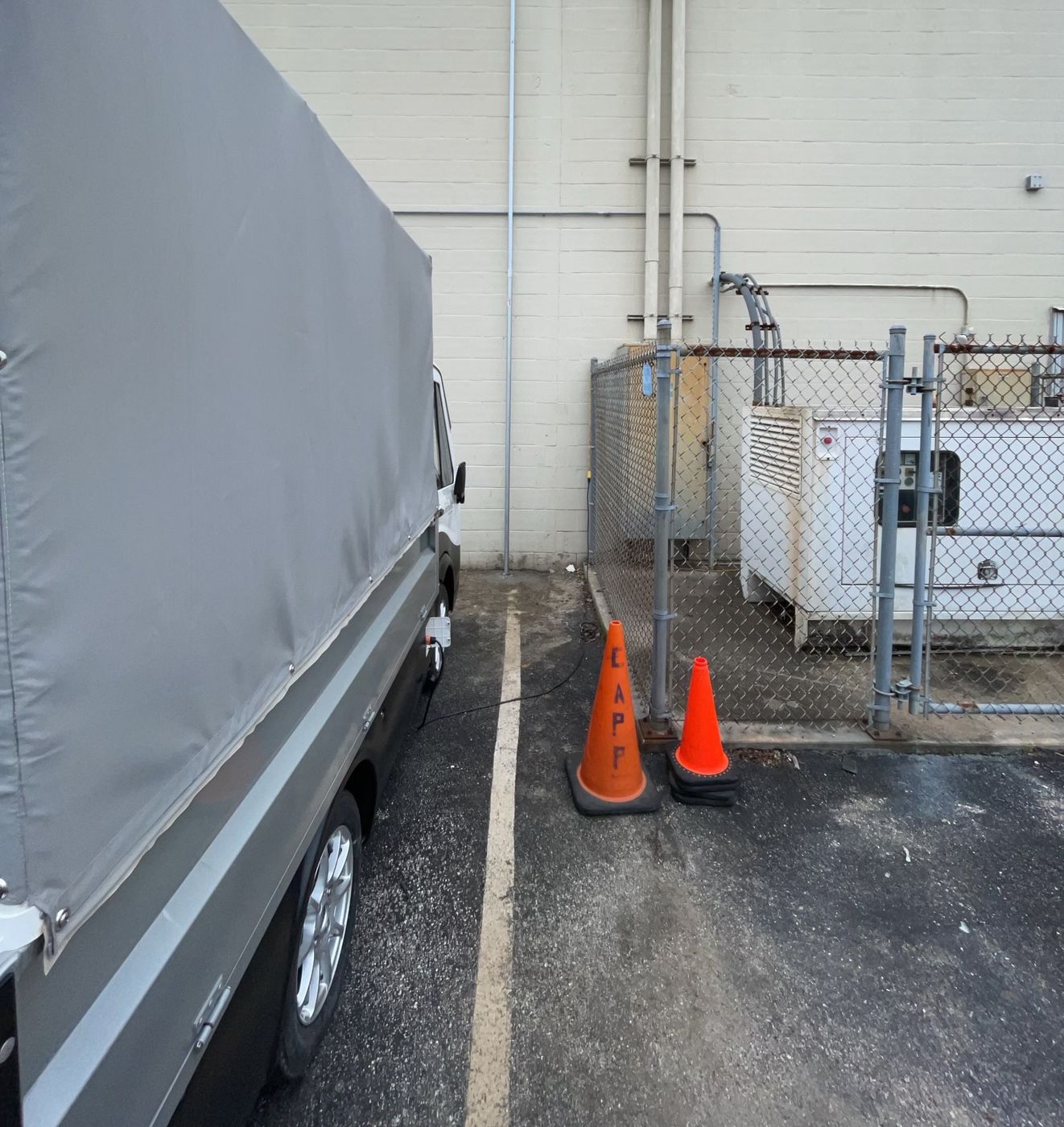
Rural plant is long, exposed and a long drive from anywhere. When it comes down, the question is who can actually get a crew to it, which is a different question from who built it.
FAQ
Written for this market rather than copied between pages. Every answer ends where you can act on it.
Underground bore and missile work is one of One World's core service lines, and the honest answer on any new formation is that you confirm it on the ground rather than on the phone. Send us what you know about the route, what the geotech says if you have one, and Cesar will tell you what he would bring.
Send the route detailBy saying so up front. Ground that goes from trenchable soil to solid chert inside a couple of hundred feet does not price as one number, and a contractor who gives you one flat rate for it is either padding it or about to come back for a change order. We would rather have the conversation before the bid than after.
Talk it through before you bid itIt changes the planning more than the crew. Long rural routes are a sequencing problem: where the crew stages, how far material has to travel, and what happens when a bore goes long and the next town is an hour of daylight away. That is the part we would want to work out with you before mobilizing, not on the first morning.
Walk the sequencing with usYes. One World is Houston based and the trucks go where the job is. Crews have already mobilized out of state and completed communications construction in Oklahoma and Florida, including emergency storm and outage response, so a route in southwest Missouri is a normal shape of job for this company.
See the states One World has already workedBoth. Fiber pulling and fiber splicing are separate service lines under the same roof, along with coax splicing and balancing. That matters on a rural build because waiting on a splice crew to drive out from a city is how a finished route sits dark for a fortnight.
Ask about the full scopeEmergency storm restoration is one of the seven service lines, and this region earns it. Long rural plant is exposed and a long way from a depot, so it is worth agreeing who is coming before the weather rather than after.
Set up storm coverage before the weatherNot for us. One World already builds for national and regional carriers including Verizon, Spectrum, Frontier, Consolidated Communications, T-Mobile and Comcast, and the crews, the process and the standards are the same regardless of who signs the contract.
Get One World on your listCesar Garcia reads these himself. If you'd rather not type anything, Alan Alvarado runs marketing for One World and answers on LinkedIn, and the office inbox is info@oneworldcommunications.com.