Underground Bore & Missile Work
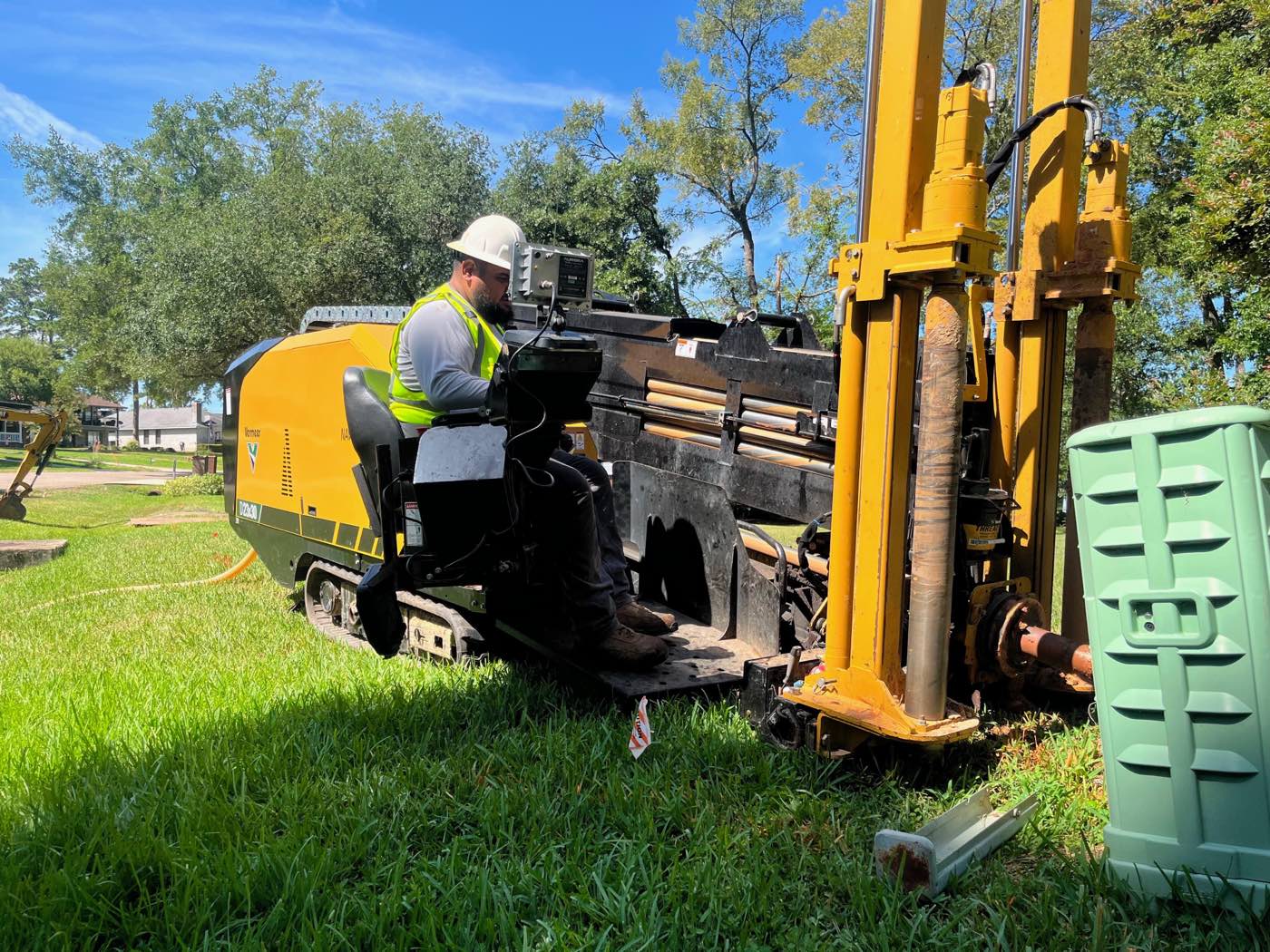
Caliche runs shallow in some parts of town and deep in others, and the plan rarely says which. Potholing and bore-path verification before the rig commits is what keeps a shot from surfacing in somebody's driveway.
Three providers have taken stop-work orders from the City of Albuquerque, and none of them were for missing a splice window. They were for open holes, sidewalks left unrestored, utility hits nobody went back and fixed, crews working outside permitted hours, and a gas line a subcontractor put through. One World Communications is a turnkey contractor, so the crew that opens the ground is the crew that closes it, and the closeout is part of the job rather than a thing that happens later if there's time.
The read
New Mexico's broadband plan cleared federal review in January 2026, covering 32 of the state's 33 counties. Roughly 45 percent of it is fiber. 1
Entities approved by the state broadband office out of 90 applications, across 31 grants. That is the buyer list for the next few years. 2
Fiber providers issued stop-work orders by the City of Albuquerque: Ezee Fiber on May 9, 2025, Vexus in March, and Gigapower, whose order was lifted once it came back into compliance. 3
Active Ezee Fiber crews the city counted in Albuquerque before it called the number more than the company could supervise. 3
Our read, and this is our judgement rather than a published fact: the binding constraint in Albuquerque isn't crew supply, it's crew control. A provider that has just been shut down cannot fix it by putting more bodies on the street, because the street is exactly what the city is counting. That favours a contractor who runs fewer, tighter crews and restores behind itself.
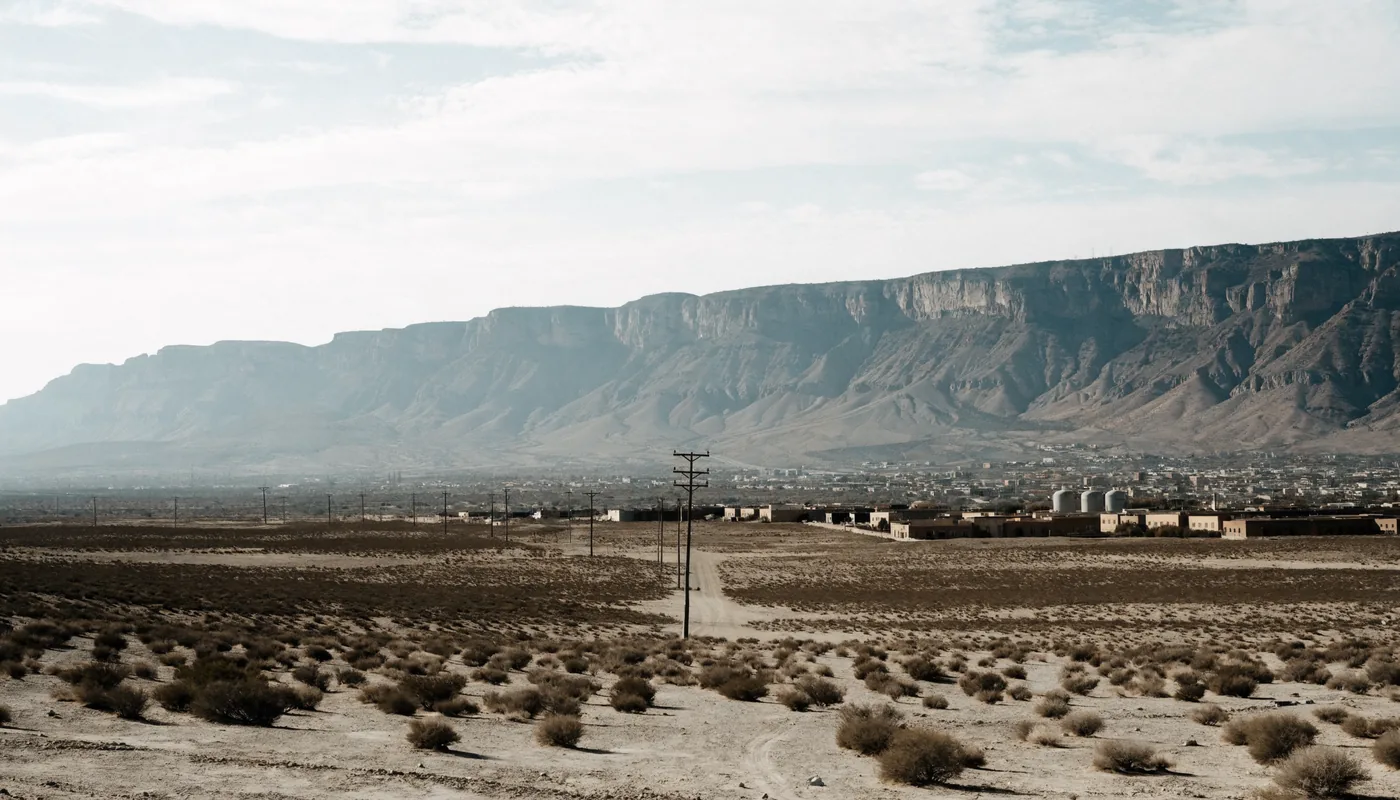
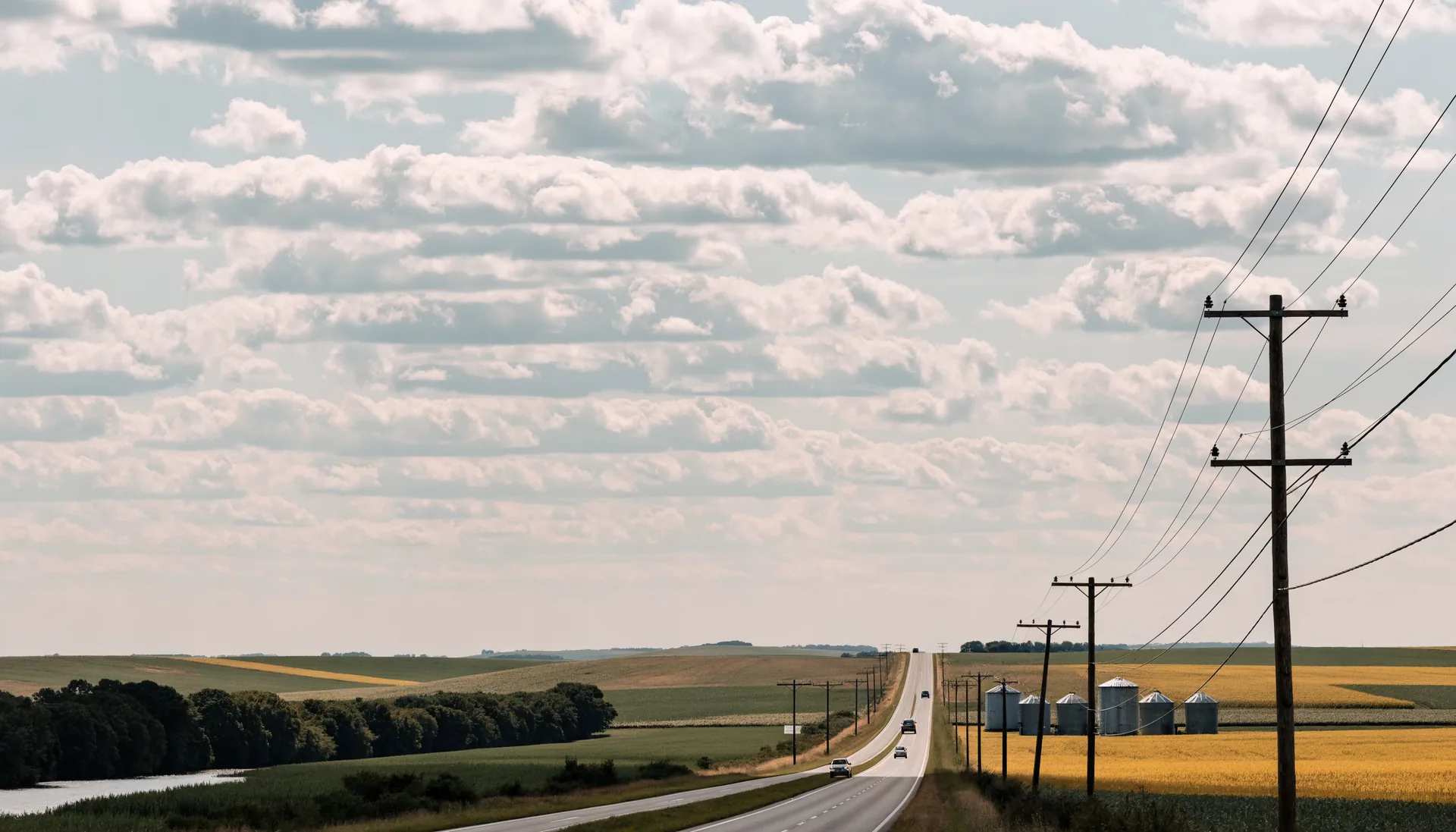
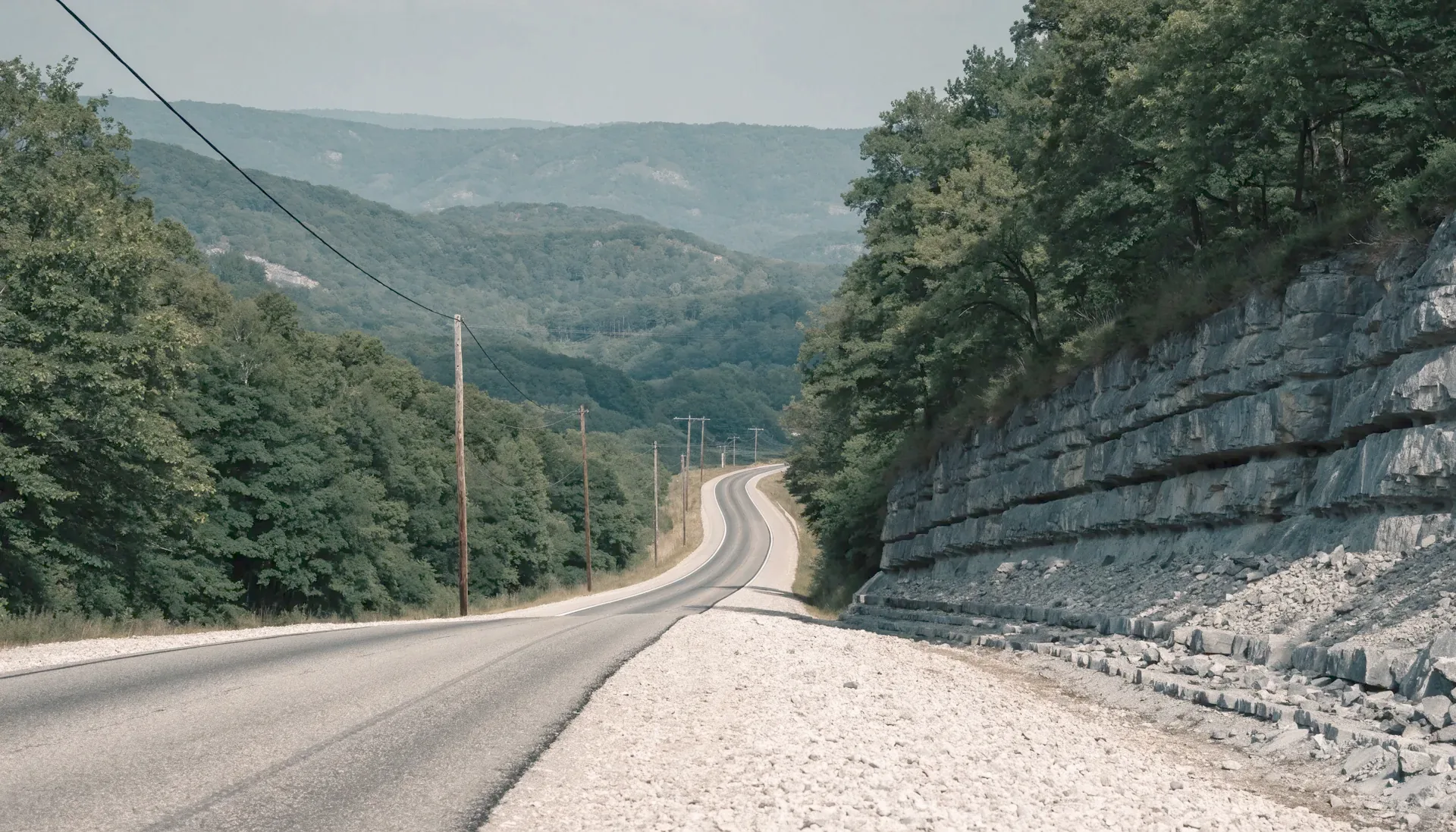
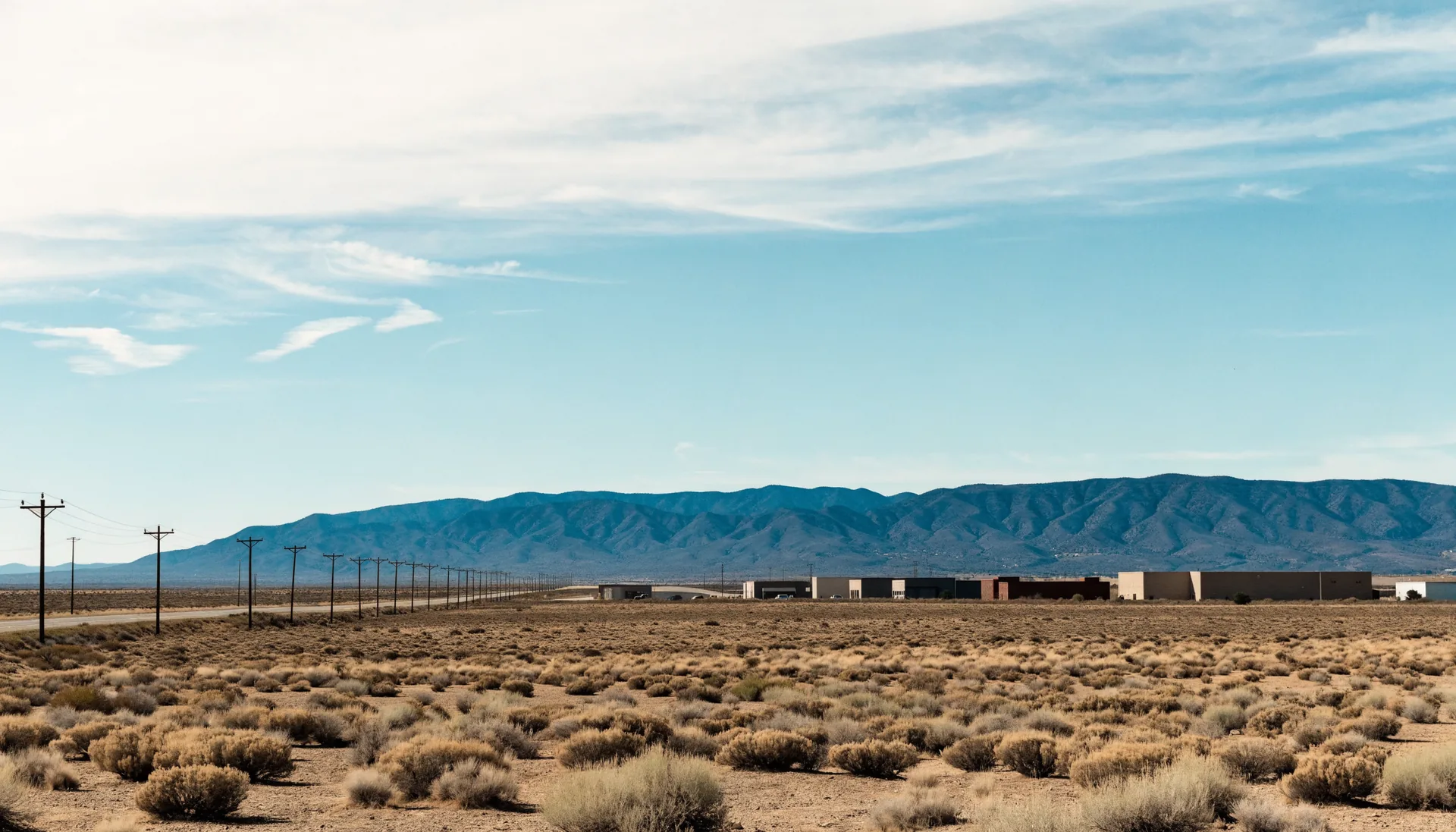
Albuquerque is three different digs inside one city limit, and which one you get depends on the block.
Hand tools don't touch it and light equipment struggles. Contractors who've worked here a while know roughly where it runs shallow and where it runs deep, and the honest version is that it still surprises you. That's a production-rate problem long before it's a method problem. 4
The substrate changes across the metro, so a bore plan written for one side of town is a guess on the other. Unconsolidated ground is its own headache: cobble is the formation that stops a bore, and grouting it first is sometimes the only way through. 4
The arroyos carry monsoon runoff, and disturbing near or across one puts you inside City of Albuquerque and Bernalillo County drainage rules. That's a permitting question and a scheduling question at the same time. 4
Permits and the dig law
None of this is exotic. It is just specific, and it is where a schedule quietly slips.
Two business days to give notice, then two working days for the owners to mark. Plan four before a shovel moves.
Two business days' notice before you dig. Chapter 62, Article 14 NMSA 1978. 5
Facility owners then have two working days to mark their lines. 5
18 inches of clearance between the cutting edge and the marked facility. 5
On a hit you stop, call 911 if it warrants it, notify the owner, and report it to 811. A nick to a coating or a tracer wire counts as damage. 5
Permitted work hours are Monday through Saturday, 7am to 4pm. 6
Residents get notice within 48 hours of work starting, by flyer, door hanger or yard sign. 6
Providers must show documented direct notification, including certified mail. 3
Vehicles carry identification showing which provider the contractor is working for. 3
Restore the area to its original condition. That one is in the license agreement, and it is the one the stop-work orders keep landing on. 6
There are now limits on how many concurrent work zones one provider can run. 3
One World on this job
One contractor for the plan, the build, the pull, the splice and the upkeep, which means there is nobody to hand the restoration problem to.
Caliche runs shallow in some parts of town and deep in others, and the plan rarely says which. Potholing and bore-path verification before the rig commits is what keeps a shot from surfacing in somebody's driveway.
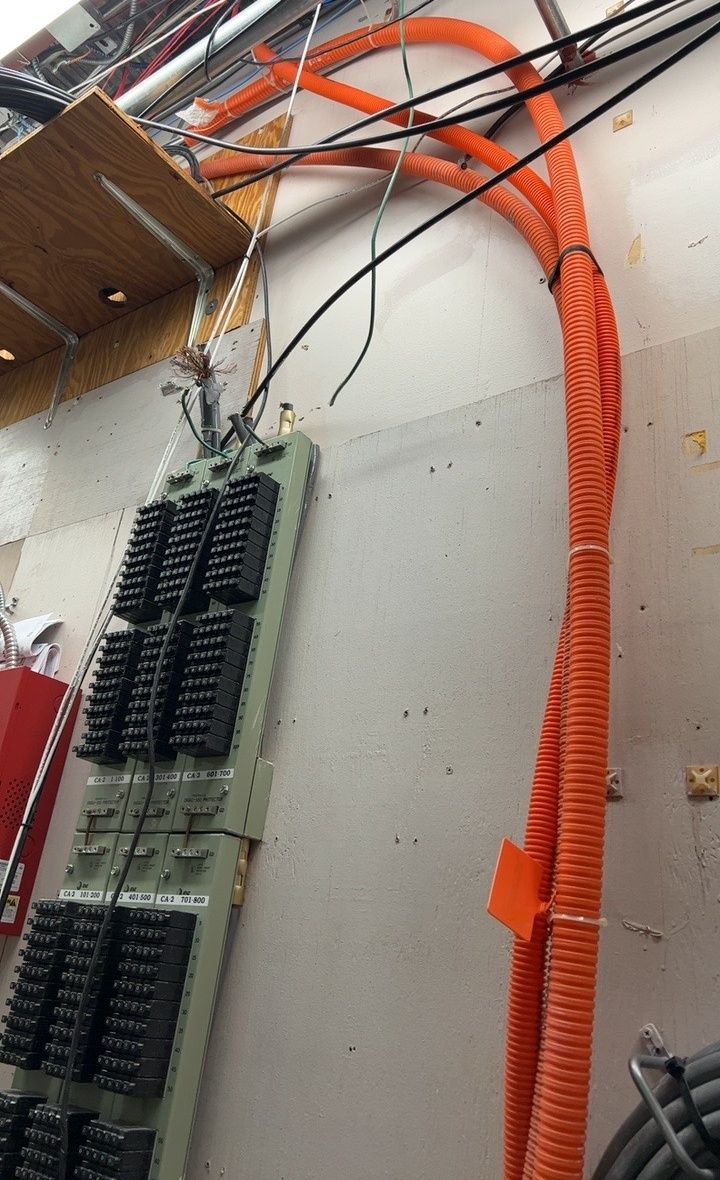
Inside plant and outside plant under one contractor. One schedule, one set of as-builts, and one company answering for the hand-off between them.
FAQ
Written for this market rather than copied between pages. Every answer ends where you can act on it.
Monday through Saturday, 7am to 4pm is the window the city permits, and working outside it is one of the things that has already cost a provider here a stop-work order. Our schedule gets built to that window rather than to a shift pattern brought in from another state.
Send us the route and the datesTell us how you want it run. The city wants documented notice before work starts, and on the enforcement side it has asked for proof, including certified mail. Some providers keep that in-house because it is their license on the line, and some hand the doors to the contractor. Either way it needs an owner before the first crew rolls, not after.
Talk it through with CesarYou call it before the rig is committed, not after. Potholing and verifying the bore path costs an hour. Surfacing a shot in the wrong place, or putting a bore through somebody else's line, costs the permit. We would rather lose the hour.
Ask about method on your routeTurnkey means one partner for the whole thing, and that includes leaving the ground the way it was found. In this market that is not a finishing touch. It is the line three providers have already been stopped over.
Get One World on your bid listThat depends on the footage, the scope and the date, and Cesar answers it himself rather than us publishing a number here. What we will not do is quote you a crew count we cannot field, which is a different failure from the one the city has been writing up but it costs you the same schedule.
Tell us the size and the start dateYes. One World is based in Houston and crews have already mobilized out of state and completed communications construction in Oklahoma and Florida, including emergency storm and outage work. Travelling to a job is the normal shape of the business, not an exception we are making for you.
See where One World worksBoth. One World builds and maintains plant directly for national and regional carriers including Verizon, Spectrum, Frontier, Consolidated Communications, T-Mobile and Comcast, and works under primes as well. Whichever way your program is structured, the crews and the process are the same.
Send the scope overCesar Garcia reads these himself. If you'd rather not type anything, Alan Alvarado runs marketing for One World and answers on LinkedIn, and the office inbox is info@oneworldcommunications.com.